![washer[1]](http://pietmondriaan.com/pm/wp-content/uploads/2010/01/washer1.jpg "washer[1]")
Washing machine made from a water dispenser by N55.

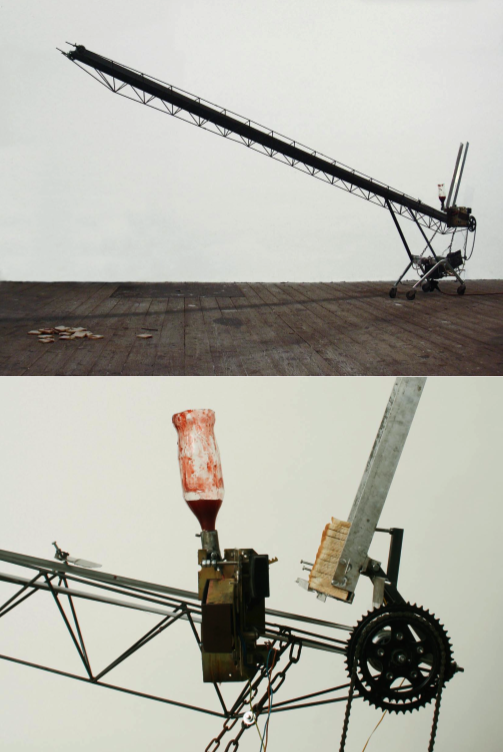
Johannes Vogl, Ohne Titel (Marmeladenbrotstreichmaschine) / Untitled (Machine to produce jam breads) (2007)
During the etching process five keys are submerged in an etching solution. From time to time one of the objects is removed from the solution, until finally a small unrecognisable shape was left over.
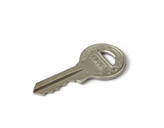
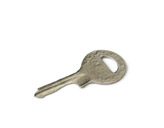
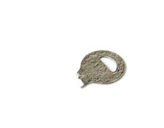
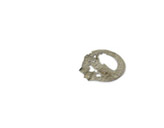
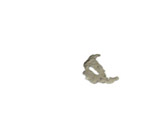

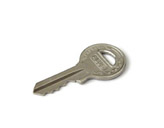
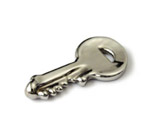
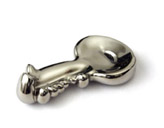
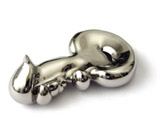
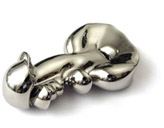
During the galvanisation process, metal atoms from a copper sulphate solution are deposited onto the objects by means of electrolysis. Just like during the etching process, four keys have been subject to the chemical process for an increasing period of time.
Driessens & Verstappen, ‘Morphoteque #13’ (2003)
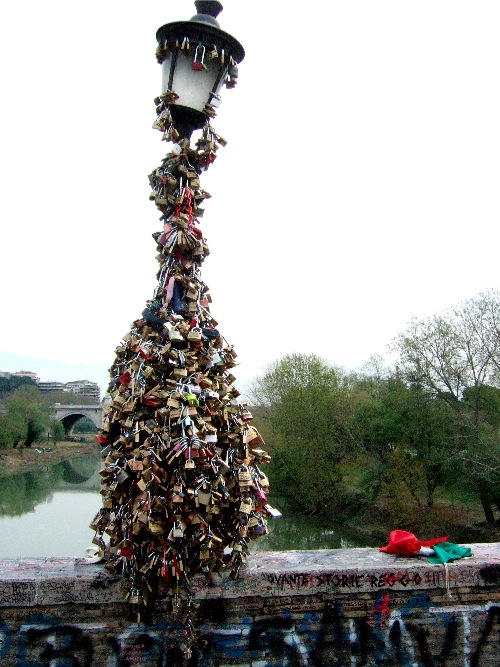
Locks of love at the Ponte Milvio in Rome, Italy.
Locks of love are the padlocks fixed by loving couples to symbolize their eternal love. A couple would hang a padlock after inscribing their name or initials on it and throw the key away so that their love is locked forever.
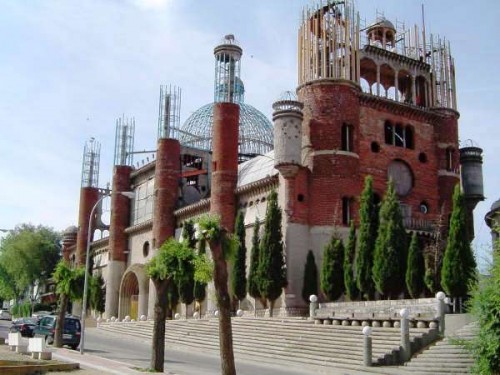
Do it yourself: Justo Gallego Martínez is building his very own Cathedral in Mejorada del Campo near Madrid, Spain.
This is no “model” cathedral and he is neither a qualified architect, nor engineer, nor bricklayer — he is a farmer. “The plans have only ever existed in my head” and have evolved over time in response to opportunity and inspiration.
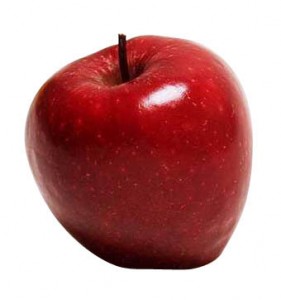
This is a picture of the apple ‘species’ that Billy Apple is growing in New Zealand. A spotless, perfectly red apple that’s supposed to hit a grocery store near you sometime in the coming years…
Last Friday @ Galerie Gallery was the opening of Willem Claassen‘s show! Here are some very bad pictures of the evening, better pictures will follow on the website of Galerie Gallery!

Willem & Work.
‘Youtube as a sculpture’ (2009) by Constant Dullaart.
Also check this: readymades.net and disease disco

Ferdinand Cheval’s ideal castle
Ferdinand ‘Postman’ Cheval’s ‘ideal castle’.
Cheval began the building in April 1879. He claimed that he had tripped on a stone and was inspired by its shape. He returned to the same spot the next day and started collecting stones.
For the next 33 years, during his daily mail route, Cheval carried stones from his delivery rounds and at home used them to build his Palais idéal, the Ideal Palace. First he carried the stones in his pockets, then a basket and eventually a wheelbarrow. He often worked at night, by the light of an oil lamp.
Cheval spent the first two decades building the outer walls. The Palace is a mix of different styles with inspirations from the Bible to Hindu mythology. Cheval bound the stones together with lime, mortar and cement.
More after the jump.
Read More »