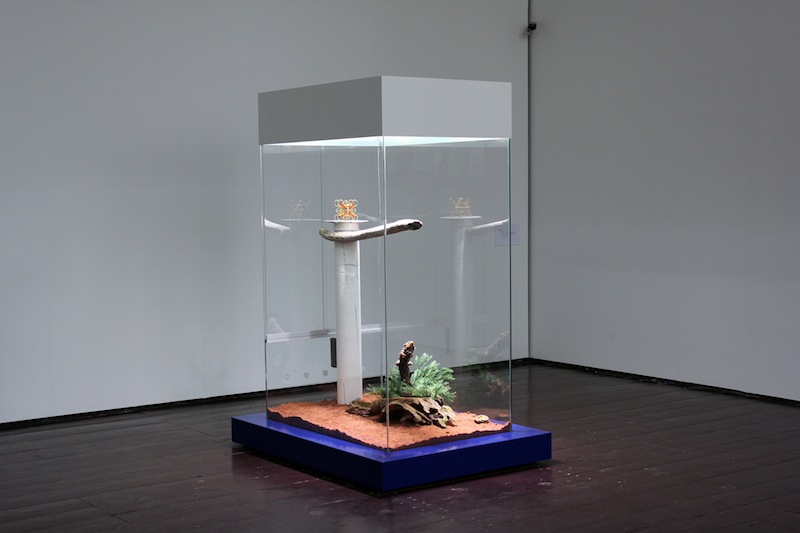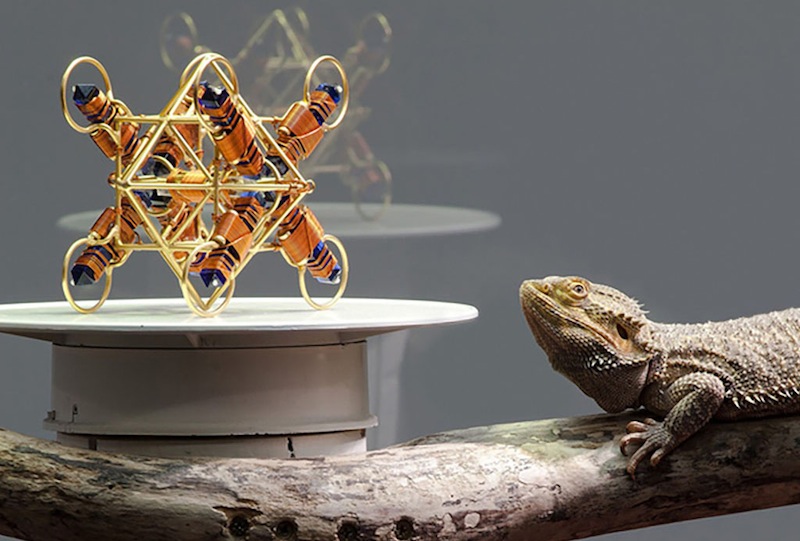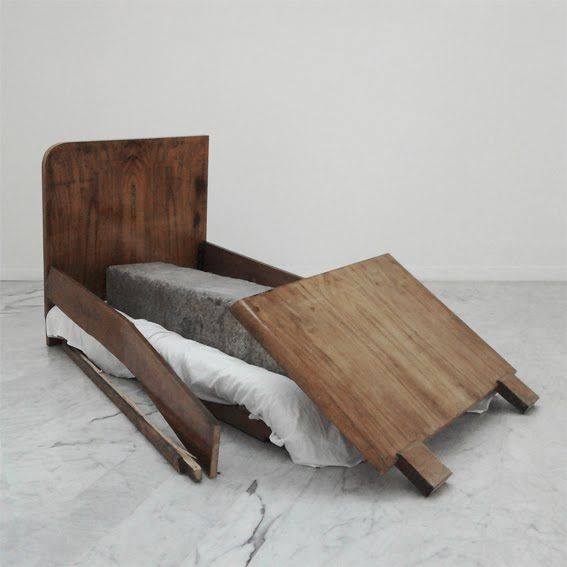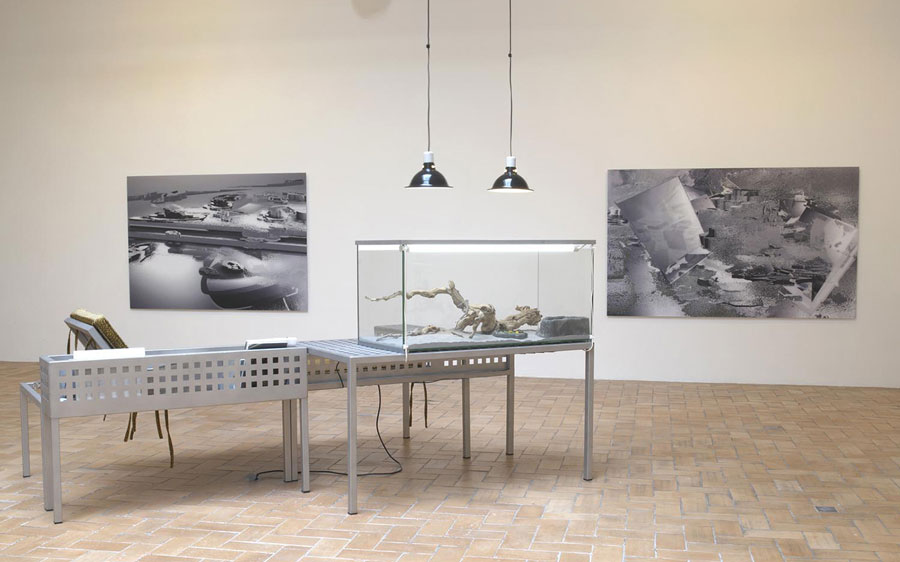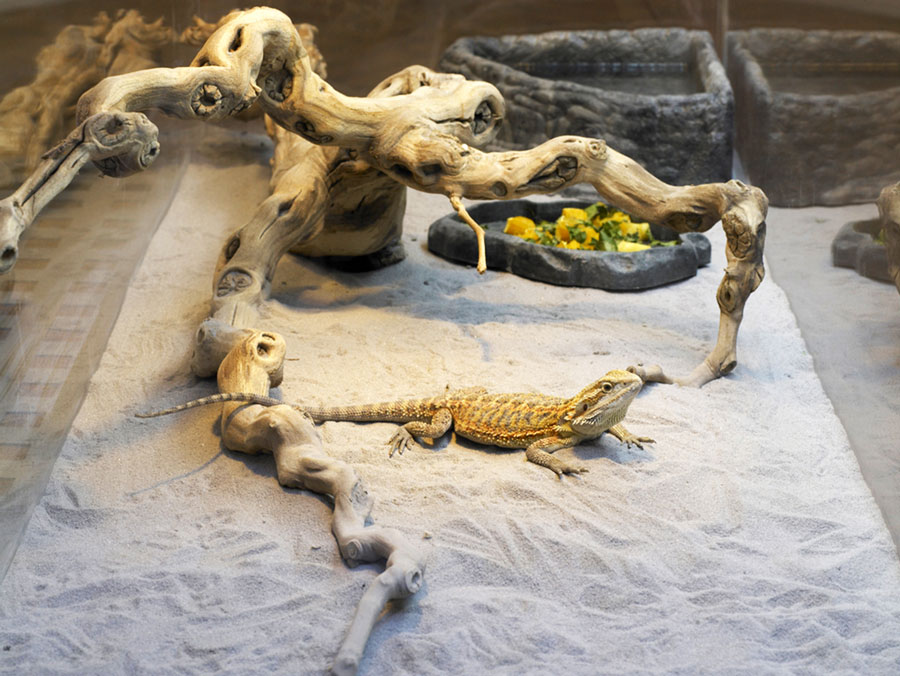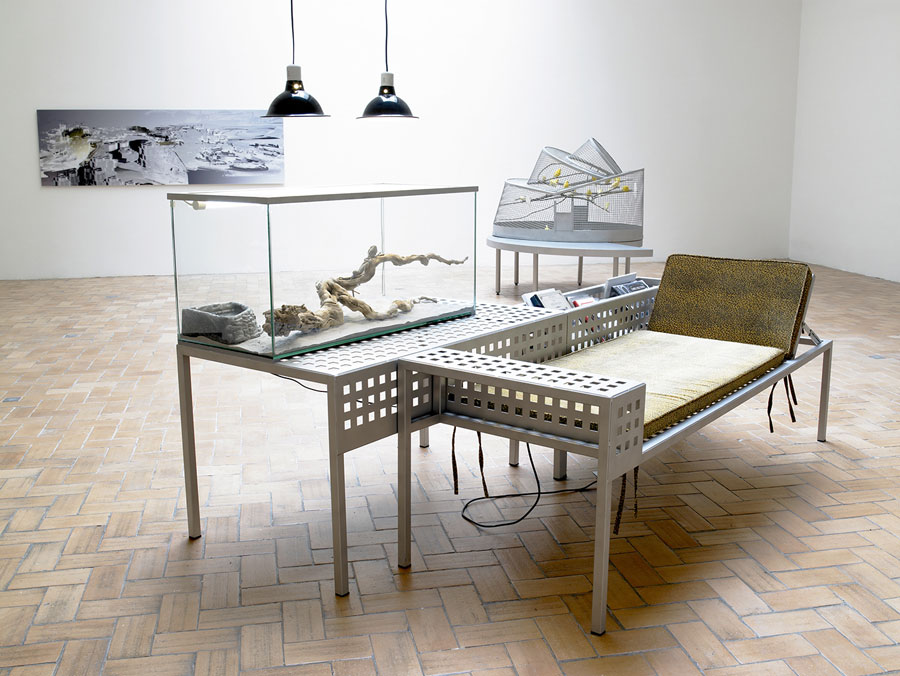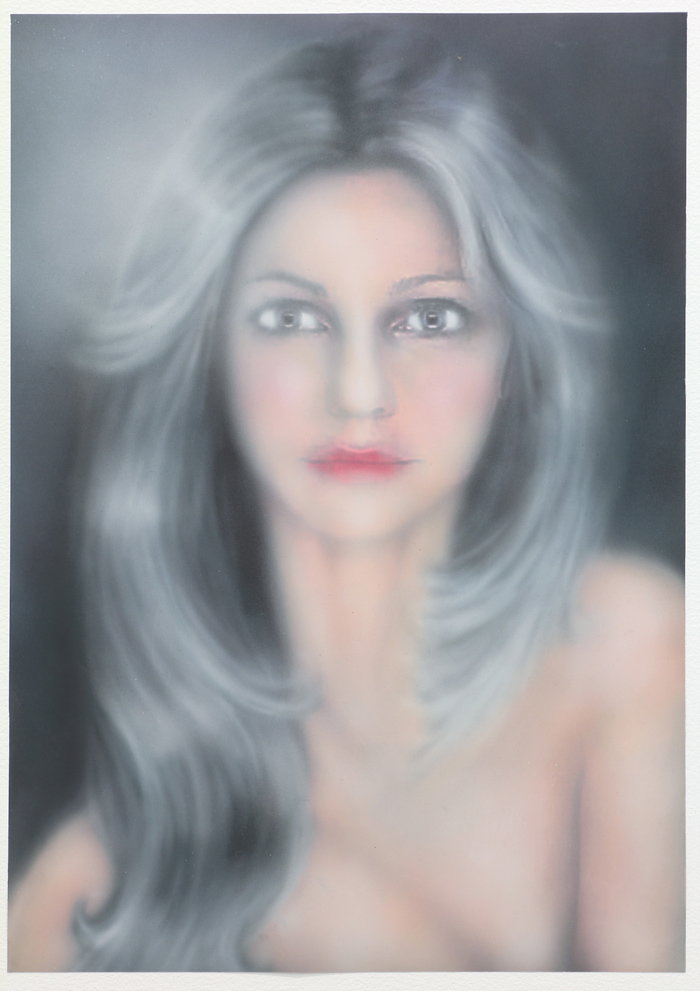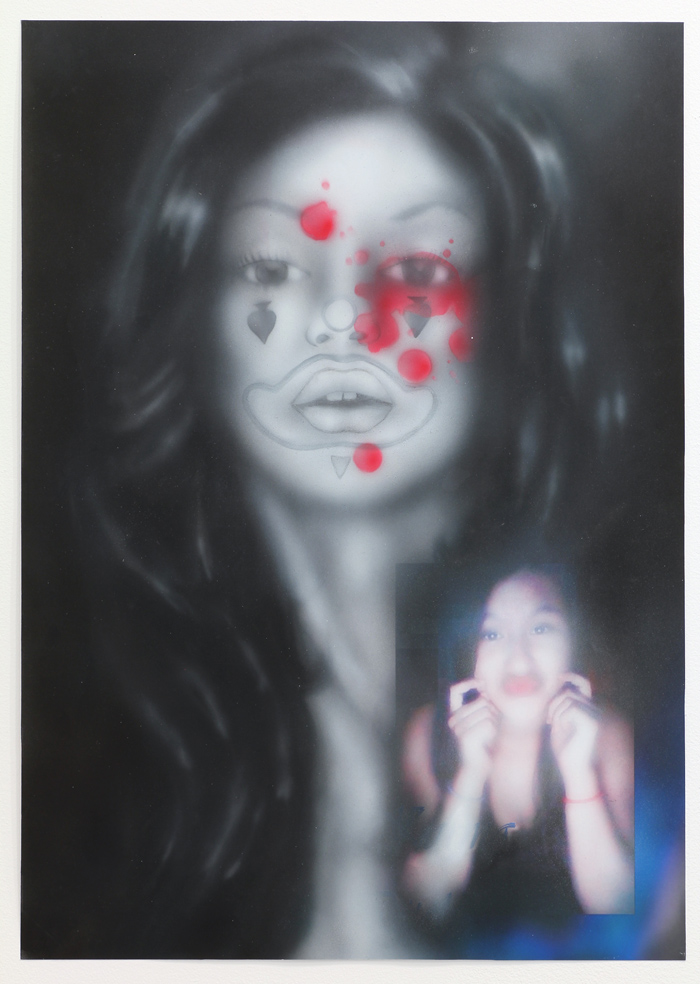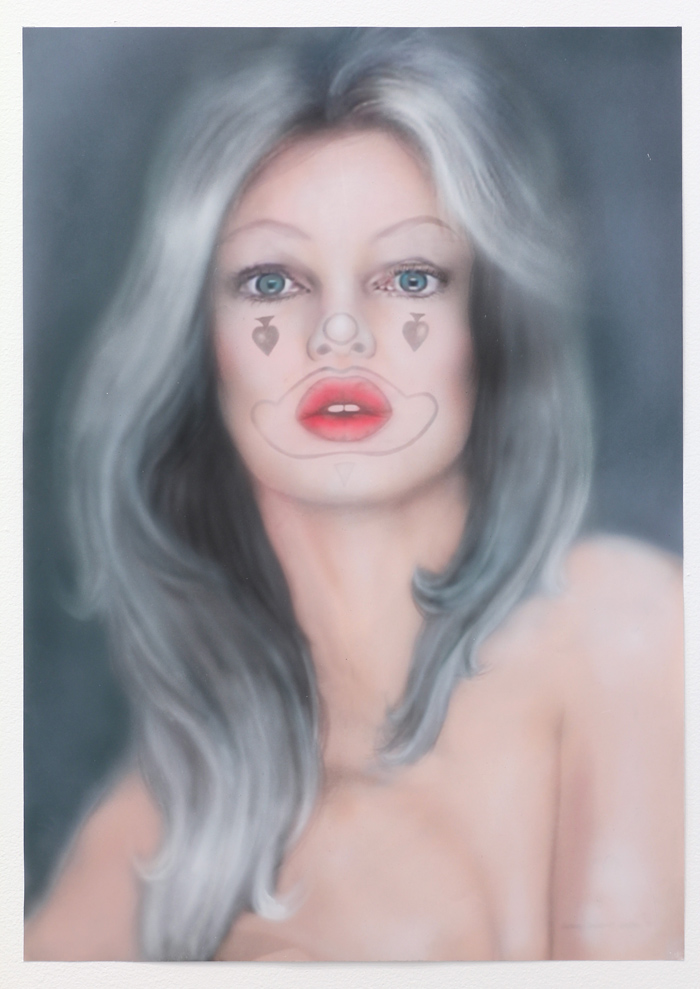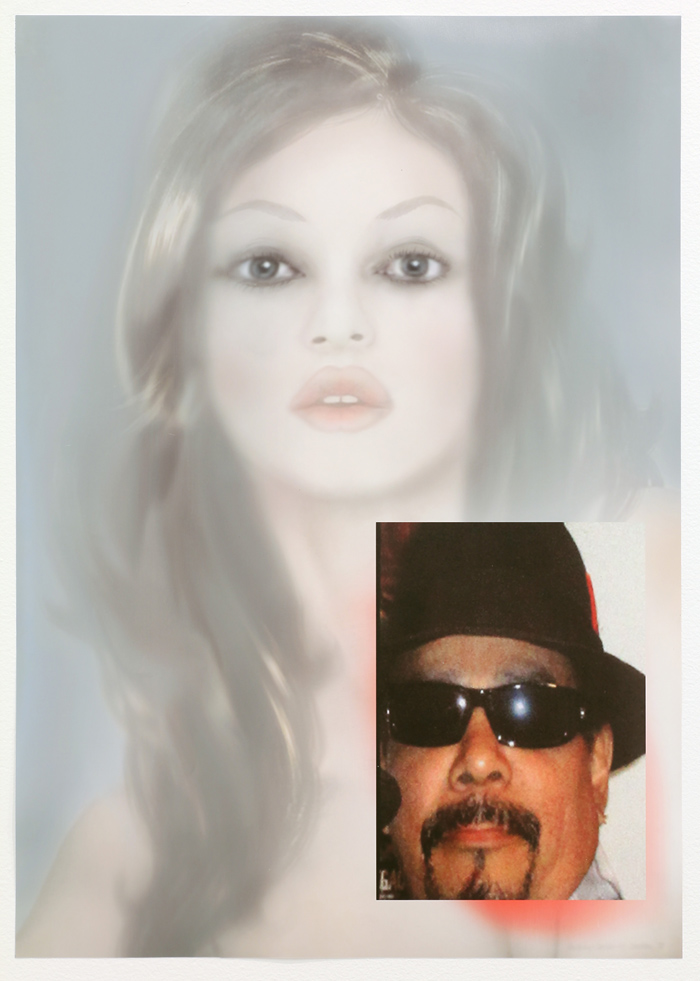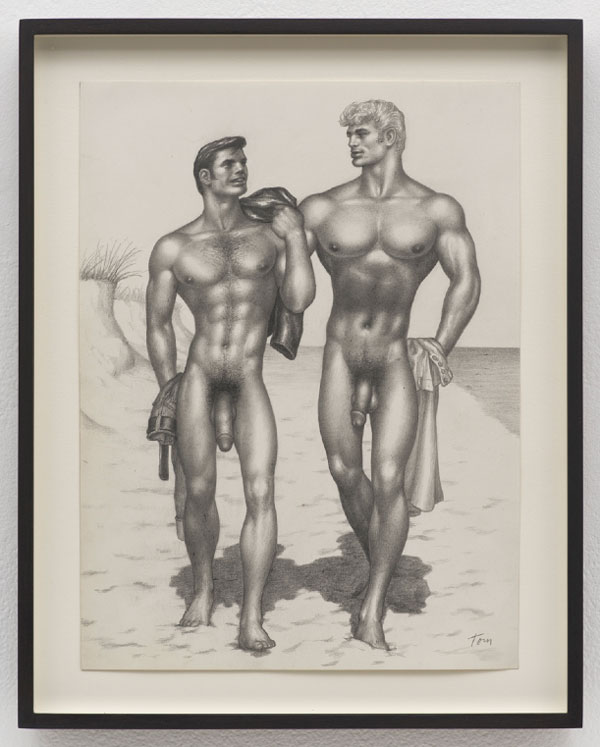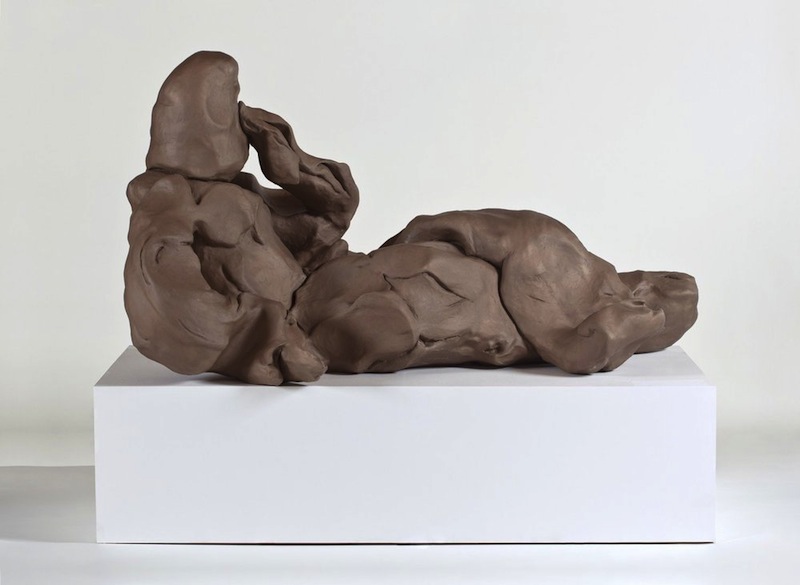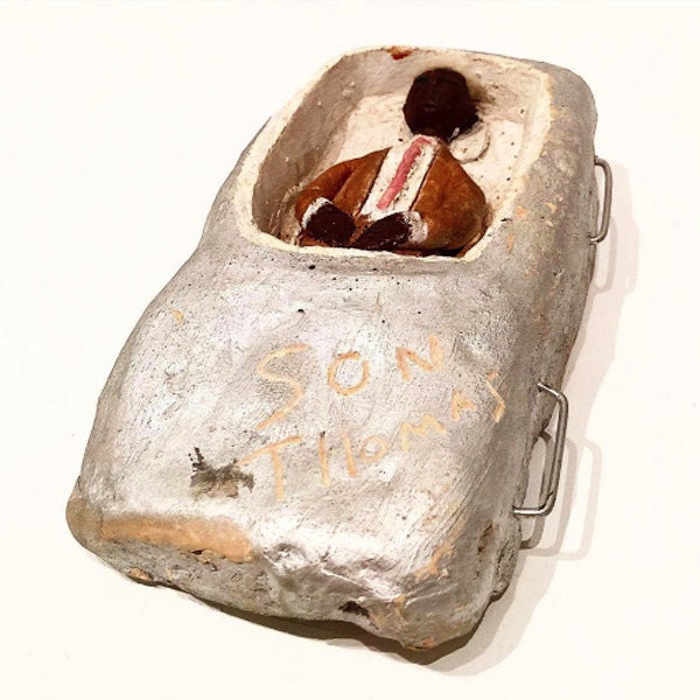
Stefaan Dheedene, ‘A.U.B. RAAK NIET AAN WAT U NIET BEGRIJPT’
(’PLEASE DO NOT TOUCH WHAT YOU DON’T UNDERSTAND’) (2005)
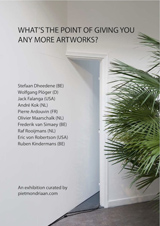
Stefaan Dheedene is one of the ten artists taking part in the exhibition ‘WHAT’S THE POINT OF GIVING YOU ANY MORE ARTWORKS?’, curated by Pietmondriaan.com, taking place at Stichting KOP.
‘WHAT’S THE POINT OF GIVING YOU ANY MORE ARTWORKS?’ opens Friday the 12th of March, 20.ooh @ stichting KOP, Breda.
‘Beard – Model K. Leo II’ (2005) (Cardboard beards to take away)
Cheval began the building in April 1879. He claimed that he had tripped on a stone and was inspired by its shape. He returned to the same spot the next day and started collecting stones.
For the next 33 years, during his daily mail route, Cheval carried stones from his delivery rounds and at home used them to build his Palais idéal, the Ideal Palace. First he carried the stones in his pockets, then a basket and eventually a wheelbarrow. He often worked at night, by the light of an oil lamp.
Cheval spent the first two decades building the outer walls. The Palace is a mix of different styles with inspirations from the Bible to Hindu mythology. Cheval bound the stones together with lime, mortar and cement.
‘Sonne statt Reagan’ (1983) popsong by Joseph Beuys.
A protest song against America and its use of nuclear weapons.
‘I like America and America likes me’, Beuys’ famous performance in New York (1974).
In May 1974 Beuys flew to New York and was taken by ambulance to the site of the performance, a room in the René Block Gallery on East Broadway. He shared this room with a wild coyote, for eight hours over three days. At times he stood, wrapped in a thick, grey blanket of felt, leaning on a large shepherd’s staff. At the end of the three days, Beuys hugged the coyote that had grown quite tolerant of him, and was taken to the airport. Again he rode in a veiled ambulance, leaving America without having set foot on its ground.
Mircea Cantor, ‘Deeparture’ (as presented at the MoMA) (2005)
‘Deeparture’ involves two unwitting players, a wolf and a deer, in perhaps the most unlikely and artificial environment in which they can find themselves—a white-cube gallery.
Stephen Lichty
‘Two Bears’ by Stephen Lichty.