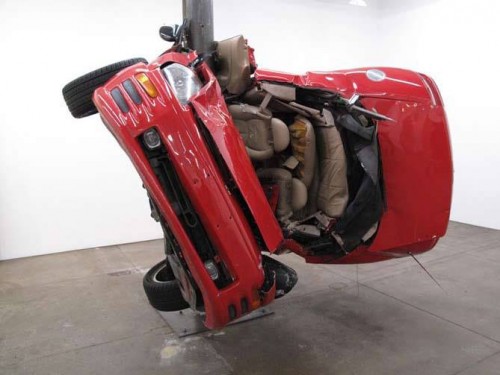
Dirk Skreber, Untitled (Crash 1) (2009)
By mh
|
Posted in Abstraction
|
Also tagged action, car, collection, crash, dirk skreber, DIY, fuckem, fun, hover, installation, joke, machismo, mitsubishi, pillar, pole, power, strength, the wild, trash, wrap
|
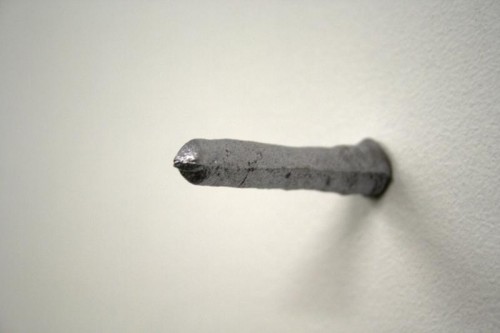
Kris van Dessel, ‘Reposition’ (2011)
Cast screw holes from Van Dessel’s studio.
By mh
|
Posted in Abstraction
|
Also tagged action, architecture, belgium, cast, cavity, collection, DIY, empty, fill, found, kris van dessel, mould, reposition, romance, screw holes, space, trash, unknown, wall
|
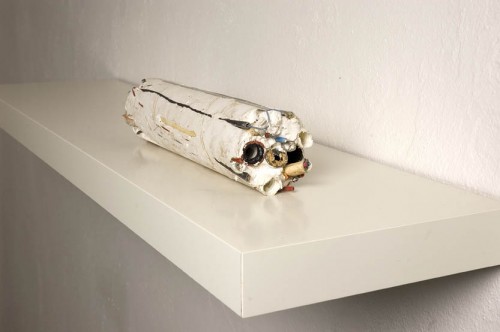
Marek Kvetan, ‘Transfer’ (2000)
A cast of a piece of industrial pipe with various wires inside.
By mh
|
Posted in Composition
|
Also tagged action, cables, cast, collection, DIY, electricity, found, fragment, fuckem, history, industrial, industry, leftovers, light, marek kvetan, piece, pipe, remainders, romance, the wild, trash, unknown, wires
|
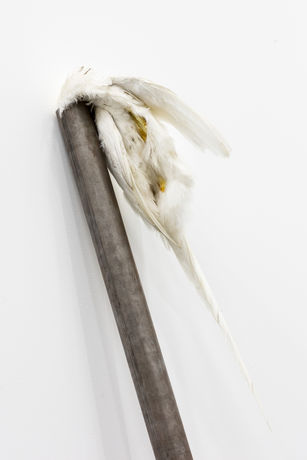
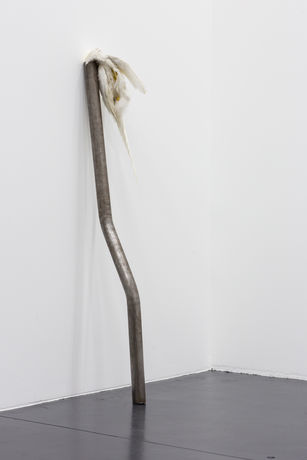
Michael E. Smith, ‘Sleep’ (2013)
exhaust pipe, taxidermied chicken, 139 x 16 x 29 cm, installation view CAPC, Bordeaux
By dd
|
Posted in Composition
|
Also tagged chicken, city, eat, fuck, grey, metal, michael e. smith, nature, pipe, portrait, sleep, taxidermy, the wild, trash, unknown, weird
|
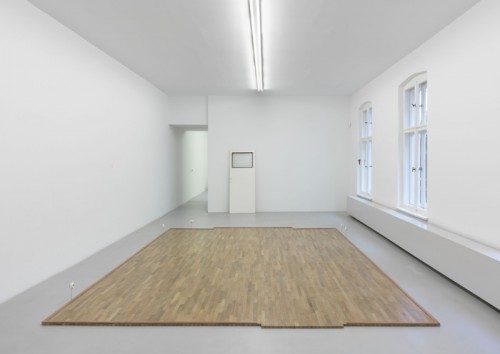
Roman Ondák, ‘Shared Floor’ (1996)
A stretch of parquet flooring and electrical sockets that Ondák excised from an apartment.
By mh
|
Posted in Composition
|
Also tagged apartment, architecture, collection, DIY, electrical, flooring, found, fuckem, installation, lift, move, parquet, roman ondak, shared floor, shift, sockets, space, unknown, wall
|
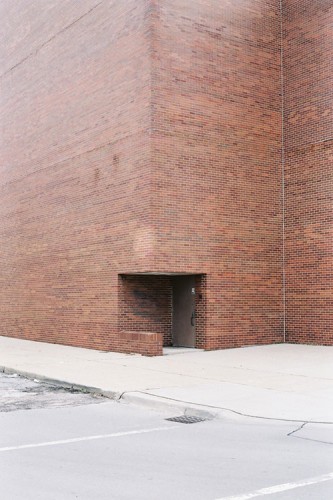
Nicolas Poillot, ‘Spring 2011’ (2011)
By mh
|
Posted in Abstraction
|
Also tagged architecture, brutalist, building, camouflage, cut out, entrance, found, fuckem, invisible, nicolas poillot, parking lot, photograph, public space, romance, unknown, wall
|
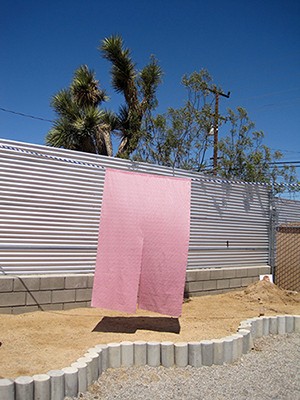
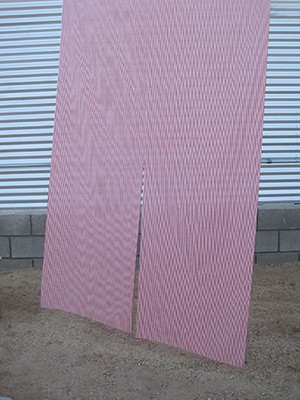
Lorelinde Verhees, untitled (2013)
cloth, rope, incision
By dd
|
Posted in Composition
|
Also tagged California, cloth, DIY, float, found, incision, joshua tree, light, lorelinde verhees, movement, nature, pink, rope, the wild
|
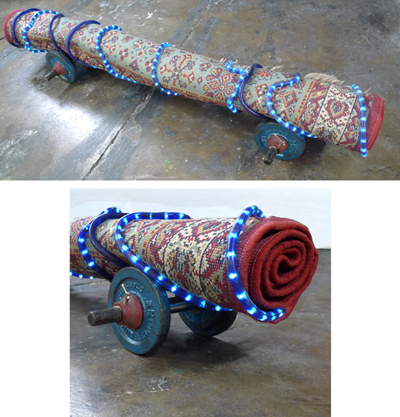
Jon Moscow, ‘Without title (Leaving unsaid what’s long been suspected)’ (2009)
Carpet, rubber lighting chain, dumbbells
By dd
|
Posted in Composition
|
Also tagged blue, carpet, cover, dumbbells, floor, fun, jon moscow, light, lighting chain, music, oriental, purpose unclear, rug, the wild, trash, unknown
|
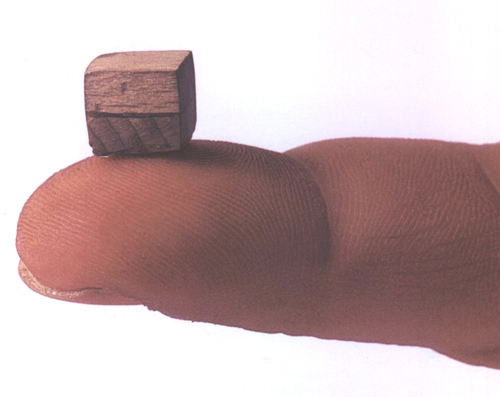
Cildo Meireles, ‘Southern Cross’ (1969-1970)
Oak and pine cube. Meireles has explained:
Southern Cross was initially conceived as a way of drawing attention, through the issue of scale, to a very important problem, the oversimplification imposed by the proselytising missionaries – essentially the Jesuits – on the cosmogony of the Tupí Indians.
The white culture reduced an indigenous divinity to the god of thunder when in reality their system of belief was a much more complex, poetic and concrete matter, emerging through their mediation of their sacred trees, oak and pine. Through the rubbing together of these two timbers the divinity would manifest its presence.
By mh
|
Posted in Composition
|
Also tagged cildo meireles, clash, collection, combination, cube, culture, divinity, DIY, found, indians, indigenous, matter, oak, pine, poetics, presence, romance, sacred, size, southern cross, the wild, tiny, trees, unknown, wood
|
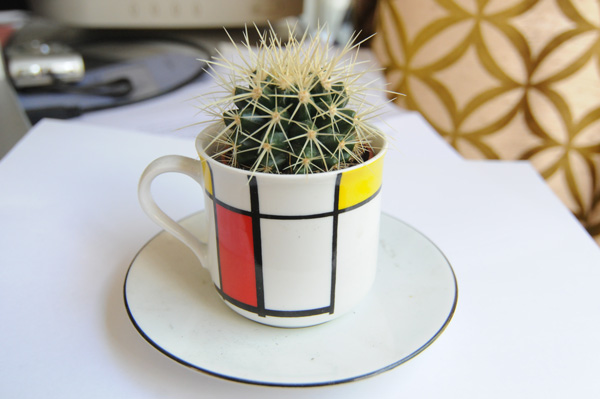

Tobias Rehberger
Tobias Rehberger, ‘We Never Work on Sundays’ (1994)
Rehberger – from memory and with scant regard to technical accuracy – drew icons of 20th century design, including pieces by Marcel Breuer, Alvar Aalto and Gerrit Rietveld. He then took them to Cameroon and, working with local artist Pascale Martine Tayou, employed Cameroonian craftsmen to make replicas based on the drawings.